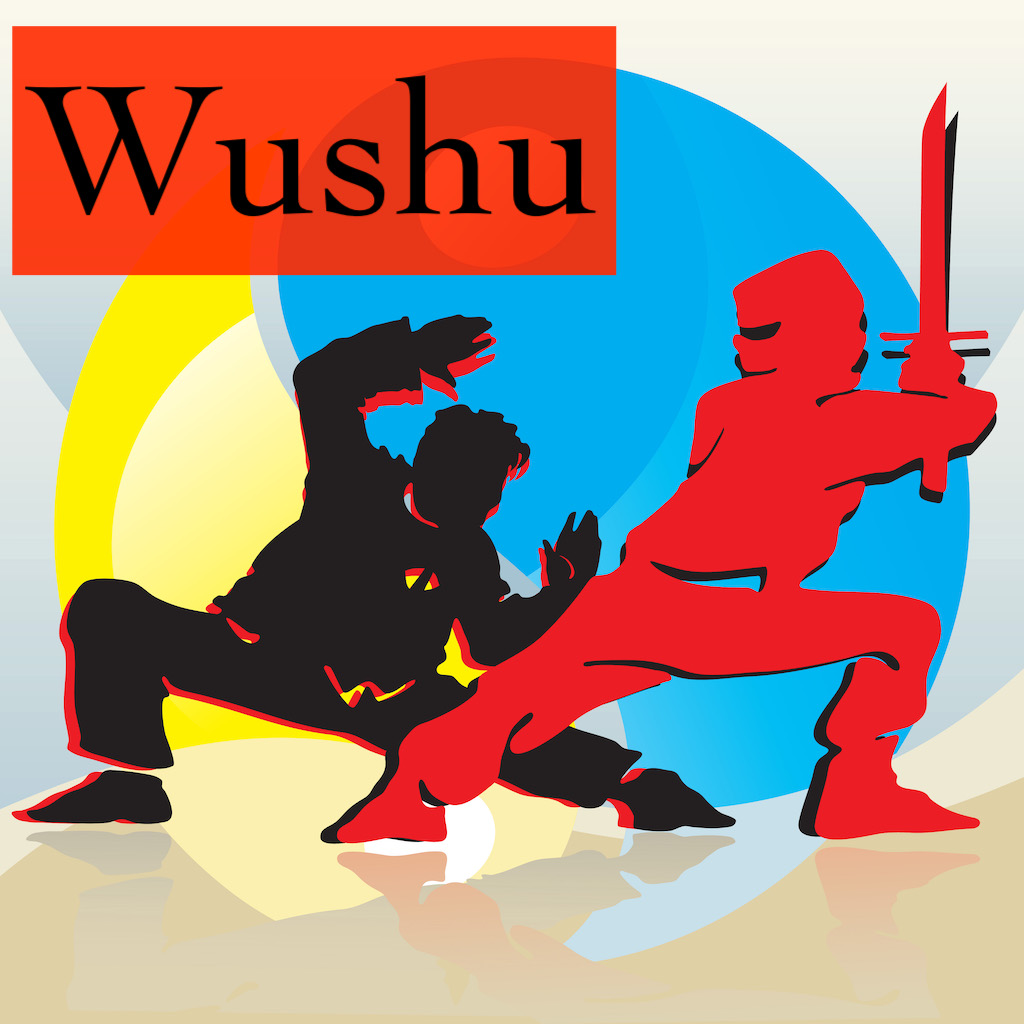
Wushu
Chinese Martial Arts Excellence
Non-Contact Programme
Our Wushu programme is a non-contact program focusing on forms (Taolu), patterns, techniques, and weapons training. Students learn the art, discipline, and beauty of traditional Chinese martial arts in a safe, controlled environment without sparring.
What is Wushu?
Wushu is a Chinese sport stemming from traditional Chinese martial arts. It was developed in 1949 to standardize the traditional Chinese martial arts. The word Wushu is comprised of characters "wu" meaning military or martial, and "shu" meaning art.
The International Wushu Federation (IWUF) made Wushu an international sport. They also conduct International Wushu Championships every two years, which began in the year 1991 in Beijing.
Competitive Wushu is broken up into two disciplines: Taolu (Forms) and Sanda (Sparring). Our programme focuses exclusively on Taolu, the non-contact forms discipline.
Suitable For
Ages 7 and up
Duration
1 hour per session
Group Size
15-25 participants
Equipment
All provided
Competitive Wushu Disciplines
Taolu (Forms) - Our Focus
Taolu typically involves martial art patterns and maneuvers. This is a non-contact discipline that emphasizes beautiful movement, precision, flexibility, and athletic prowess. Our programme focuses exclusively on Taolu forms.
Sanda (Sparring) - Not Included
Sanda has a stronger Chinese boxing influence and involves contact sparring. This is NOT part of our programme. Our curriculum is entirely non-contact, focusing on forms and techniques only.
Other Wushu Competitions
Duilian (Dual Event)
A form of choreographed sparring with weapons, without weapons, or even using bare hands against weapons. This is performed as a synchronized demonstration routine.
Jiti (Group Event)
Takes place on a large carpet which requires a group of people to perform together and coordination is crucial. Sometimes, Jiti is also accompanied by instrumental music.
Evolution of Wushu Competition
Initially, international wushu competitions used compulsory routines, while competitions in China used individual routines. Later in 2003, it was decided to opt for individual routines in international competition with "nandu" (difficulty movements) scores. The inclusion of nandu scores was implemented to progress the sport and improve physical quality of athletes.
Bare-handed Wushu Methods
ChangQuan (Long Fist)
ChangQuan is a modernized long-range style derived from many other wushu styles. The main components are Speed, Power, Accuracy and Flexibility.
It requires extensive practice and nandu points will be counted only if the nandu movements are made within 4 steps. This dynamic style features extended movements, high kicks, jumping techniques, and rapid directional changes.
NanQuan (Southern Fist)
NanQuan is a wushu style originated in 1960 in South China. The major components are powerful athletic movements, intricate hand movements and stability.
All nandu points will be counted only if the nandu movements are made within 4 steps. This style emphasizes low, solid stances and explosive power with distinctive southern Chinese martial arts characteristics.
TaiJiQuan (TaiJi Fist)
TaiJiQuan is basically comprised of slow and relaxed movements. Meanwhile, it also involves difficult holds, balances, jumps and jump kicks.
Modern competitive TaiJi requires good balance, power, and flexibility, which is less difficult when compared to the traditional form. The flowing, continuous movements develop internal strength and mind-body connection.
Short Weapons
Dao (Curved Sword)
Dao means curved, one-sided sword. This is the ChangQuan method of using a medium-sized willow-leaf-shaped dao. The dao is known for its powerful, flowing cuts and circular movements.
Nandao (Southern Dao)
Nandao refers to the curved sword used in NanQuan method. It was created in 1992, based on the butterfly swords of a well-known Southern style, but the blade has been lengthened for Wushu.
Jian (Straight Sword)
Jian means double-edged straight sword. This is also a ChangQuan method of using the weapon. The jian is considered the "gentleman of weapons" and requires precise, elegant movements.
TaiJiJian (TaiJi Sword)
This is a sword that is used based on the traditional TaiJiQuan form. Movements are flowing, continuous, and circular, embodying the principles of TaiJi philosophy.
Long Weapons
Gun (Staff)
Gun is a long weapon equal to the height of a person standing upright with one arm extended above the head, which is traditionally made of white wax wood. This is the ChangQuan method of using the weapon. The staff is considered the "father of all weapons" and requires excellent coordination and stamina.
Nangun (Southern Staff)
Nangun was created in 1992, especially for the NanQuan method. It was mainly created to accomplish the basic techniques such as bow stance, empty stance, dragon riding stance, etc. The southern staff emphasizes powerful strikes and solid stances characteristic of southern styles.
Qiang (Spear)
Qiang means flexible spear with red horsehair attached to the spearhead. This is also a ChangQuan method of using the weapon. The spear is known as the "king of weapons" and requires exceptional speed, precision, and agility. The red tassel creates visual effects during performance.
Traditional Chinese martial arts excellence - Non-contact forms programme